The History of Mousehole – A Village Shaped by the Sea
Mousehole – pronounced ‘Mow-zel’ by those who know it well – takes its name from a sea cave near the harbour entrance, and its history stretches back to at least the Bronze Age, when the sheltered waters of Mount’s Bay made it a natural and well-used landing place on the ancient tin trade routes between Cornwall and the Mediterranean. The harbour, rebuilt in granite in the 14th century, brought centuries of prosperity to what was already one of the most productive and strategically significant fishing ports on the entire Cornish peninsula.
The Pilchard Years
For hundreds of years, the pilchard fishery was the economic engine that drove Mousehole forward. At the industry’s peak in the 19th century, the village’s fish cellars – many of which survive today as beautifully converted cottages, galleries, and art studios – processed hundreds of thousands of fish each season, packed tightly in salt and exported in barrels to Catholic Europe. The distinctive pink granite walls, the narrow lanes barely wide enough for a car, and the organic, unhurried harbourside architecture that draws visitors from across the world today are largely the legacy of the wealth and industry those fish cellars generated. It is, in many ways, a village built on fish – and all the more characterful for it.
A Village That Has Endured
Mousehole has faced its share of catastrophes over the centuries, and has met each one with the stubborn resilience that characterises the best of Cornish community life. In 1595, the village was almost entirely destroyed by a Spanish raiding party who burned the houses to the ground and killed three men on the harbour front – the only English soil ever to have been attacked by the Spanish Armada. A commemorative plaque on the harbour wall marks the event quietly but powerfully, and is well worth pausing at during any visit. Through each disaster and each setback, the community rebuilt, and the village emerged each time with its essential character intact.
Art, Light & Living History
In the early 20th century, Mousehole began to attract a colony of artists drawn by the extraordinary quality of its coastal light and the drama of its seascapes. The celebrated Newlyn School of painters – based just a mile up the coast – exercised a significant influence on the village’s creative life, and that tradition of artistry continues today in the galleries and studios that occupy many of the old fish cellars around the harbour. For guests staying in luxury apartment accommodation in Mousehole, Cornwall, the sense of living history here is palpable at every turn – in the granite walls, the working harbour, the narrow lanes, and the stories attached to almost every building.
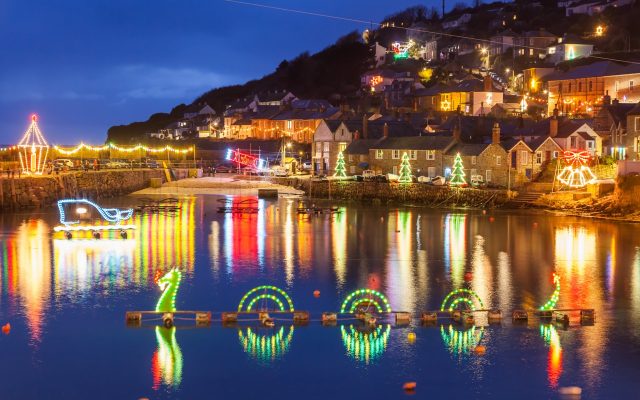
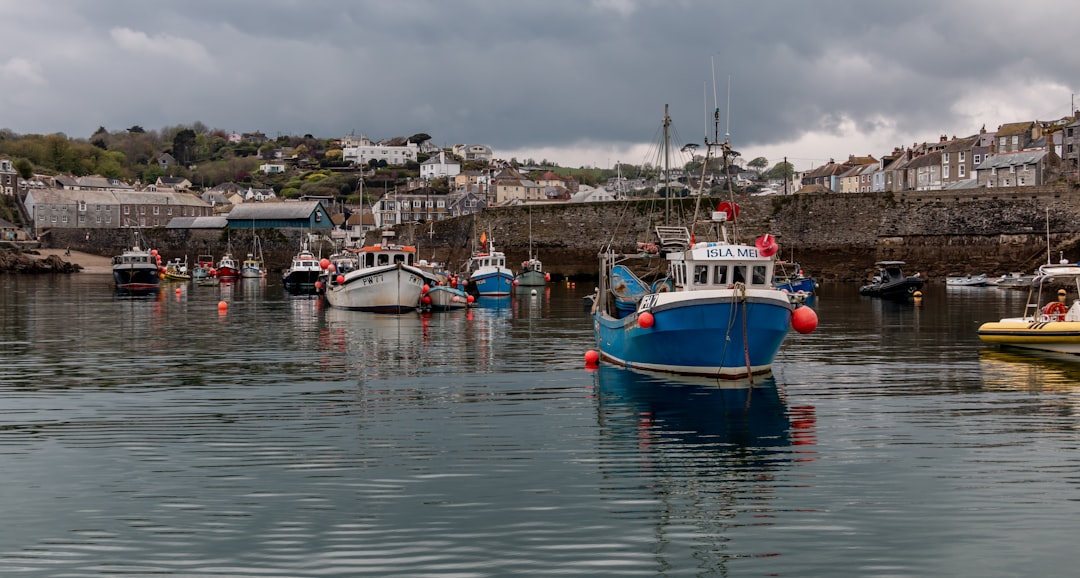
Today the village is primarily residential, but it retains its character with a remarkably quiet stubbornness. The harbour is still worked by fishing boats. The Ship Inn remains a place where you might find a genuine local alongside the visitors. And the Christmas lights still illuminate the harbour water each December, just as they have for more than sixty years – a tradition as old as the modern village itself, and as enduring as the granite it is built from.
Bookings are available year-round at Polvellan Heights – and whenever you choose to visit, the history of Mousehole is there to be discovered at every step.